






Hard Wax for Southeast Asian Retail: A Hero SKU for the Shelf and the Livestream
Most hard-wax conversations in Southeast Asia start in the salon. The second door is bigger and faster: the marketplace shelf and the livestream cart. Beauty and personal care online across the region’s six major markets grew by more than 100% year on year on Shopee alone, and TikTok Shop’s share of Indonesian beauty sales has tripled in two years. The same data carries a warning — in twelve months, between 40% and 54% of active beauty brands on those platforms disappeared. Retail wax is a one-hero-SKU game, and the brands that survive start lean.
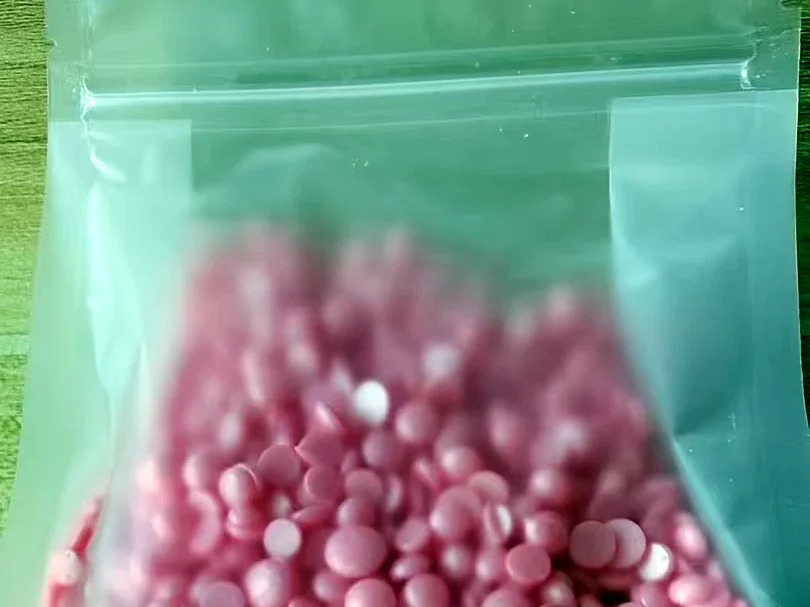
The unlabeled transparent bag: no printing cycle, low MOQ, and the label — and the market risk — belongs to whoever sticks it on.
How big the online shelf has become
Three numbers frame the channel. A 2025 industry white paper put Southeast Asia’s beauty and personal care market at roughly USD 36 billion, with the six major markets generating about RMB 142 billion of online sales in eleven months — and Shopee holding a 63.9% share of that online volume, with year-on-year growth above 100% in all six countries (User Says × China Beauty News white paper, 2025). Platform-level data for Indonesia, Thailand and Vietnam put Shopee’s beauty GMV at USD 4.33 billion between April 2025 and March 2026 — Indonesia 2.02, Vietnam 1.42, Thailand 0.89.
The second platform is where the momentum sits. TikTok Shop’s share of Indonesian beauty sales climbed from 17% in 2023 to 37% in 2025 and 47% in the first quarter of 2026, closing on Shopee’s 50%; in Vietnam, beauty and personal care generated about VND 74.4 trillion online in 2025, up nearly 30% and the largest single e-commerce category in the country (Metric.vn, 2025 reporting). Content commerce — short video and livestream — now drives roughly a third of regional e-commerce GMV, and beauty is its second-largest category.
And then the caution. Across those same Indonesian, Thai and Vietnamese Shopee marketplaces, between 40% and 54% of active beauty brands exited within twelve months. The shelf is enormous and churns brutally. A wax range that launches with six SKUs, six label printings and six notifications is funding its own exit; the ones that last launch with one.
63.9%
Shopee’s share of six-market online beauty & personal care — with growth above 100% in all six countries (2025 white paper)
47%
TikTok Shop’s share of Indonesian beauty sales in Q1 2026, up from 17% in 2023 (platform reporting)
40–54%
Share of active beauty brands on Shopee ID/TH/VN that exited within 12 months — start lean, not wide
The hero SKU: consumer-grade film wax, 300 g, retail-priced
For the home user, hard wax that breaks cleanly off the skin without strips is the product category that demos well and repurchases well — and that is exactly what the Consumer-Grade Hard Wax is built for: a 55–60 °C film wax formulated for a flexible, strip-free set that a first-time user can watch once on a video and reproduce. It sits at the accessible end of the range, which is where retail lives; the salon-grade rosins — the A1 rosin-free flagship at 45–50 °C in Gold & Pink standard colors and the A2 cream-white grip wax for short, coarse hair — stay professional-line products priced and packaged for the back bar.
300 g is the retail pack. It is light enough to ship cheaply across every marketplace in the region, small enough to price as an impulse trial, and roughly one home user’s first season. The 500 g salon bag and the 1 kg back-bar bag belong to the professional channel, not to the cart. The All-Purpose Soft Wax 450 g can can join the retail shelf later as a second item for strip-and-roll users — but it is a follow-on SKU, not the entry.
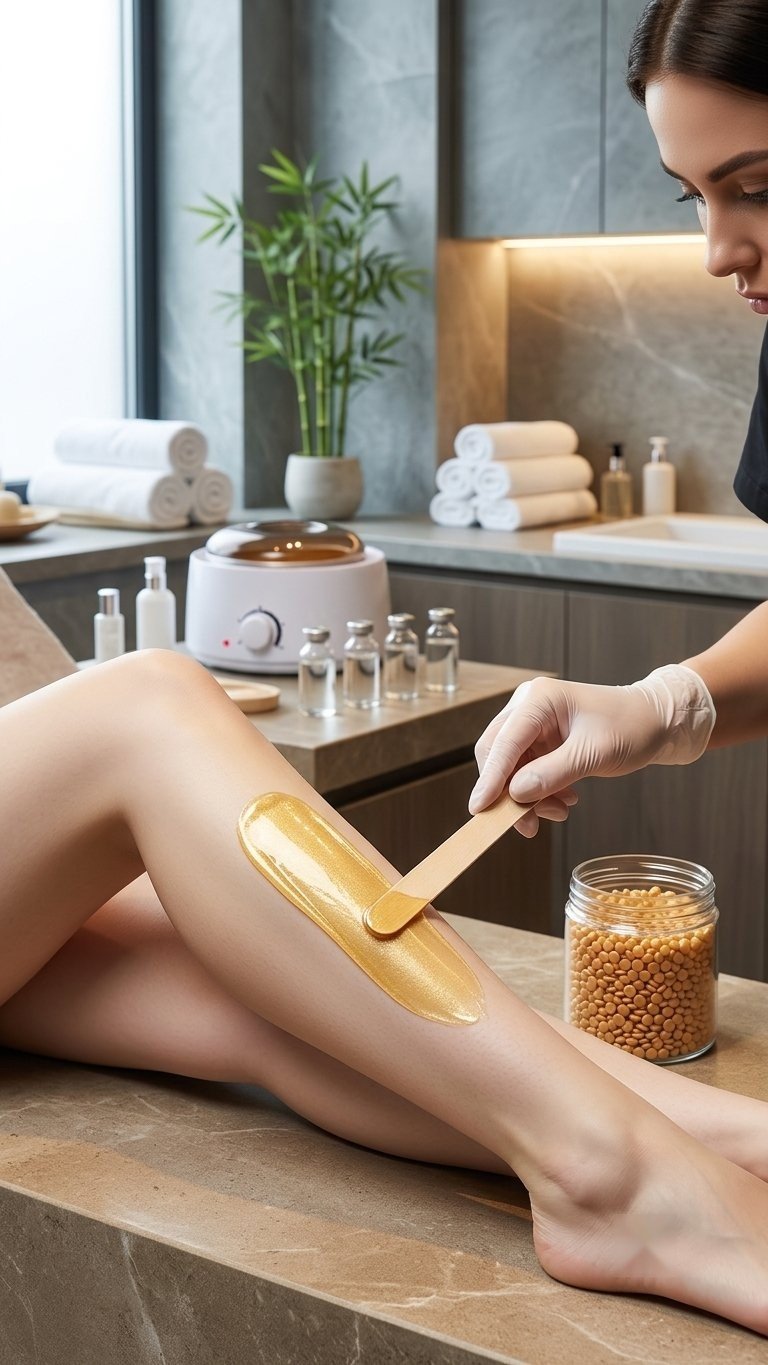
The melt, the spread and the peel in one take — this is the whole product video, and the reason film wax outperforms strip wax on content platforms.
Why the unlabeled transparent bag fits this channel
A retail launch on Shopee or TikTok Shop is a test, and the unlabeled transparent bag is how you keep the test cheap. The bag carries the batch code and production date from the factory; the brand prints its own label with the market-facing fields — full ingredient list in the local language, notification number, best-by, origin — and sticks it on after the numbers come in. That removes the printing cycle and the print MOQ from the critical path entirely, keeps the private-label order at low MOQ, and lets a brand switch the hero SKU without scrapping artwork.
What it does not remove is responsibility. Per-country cosmetic notification is unchanged — BPOM in Indonesia, the Thai FDA, Vietnam’s product notification, each with its own holder, validity and renewal rhythm, with no regional mutual recognition; the operational differences were laid out in our earlier heat-and-storage piece and the channel-split analysis in the two-lines piece. Whoever’s name goes on the label owns the compliance for that pack. And one deadline now sits in the calendar: Indonesia’s mandatory halal certification regime reaches full application from October 2026, so for retail sales into Indonesia, halal compliance moves from a marketing plus to an entry requirement — confirm the status of your wax formula with the local holder before the listing goes up, not after the first takedown notice.
Content commerce is the wax category’s home ground
Wax is a demonstrable product: melt, spread, set, peel, result — a fifteen-second arc that needs no explanation and no subtitles. That is why film wax travels so well on TikTok Shop, where demonstration drives conversion, and why the hero SKU should be chosen partly for its on-camera behavior. It also means the retail line pulls the equipment line: a home user who buys the 300 g bag needs something to melt it in, which makes the compact wax warmers — the 180 ml mini in particular — the natural bundle item on the same storefront. Distributors who carry both lines sell them as one kit and eat less of the churn: the wax is the repeat purchase, the warmer is the anchor.
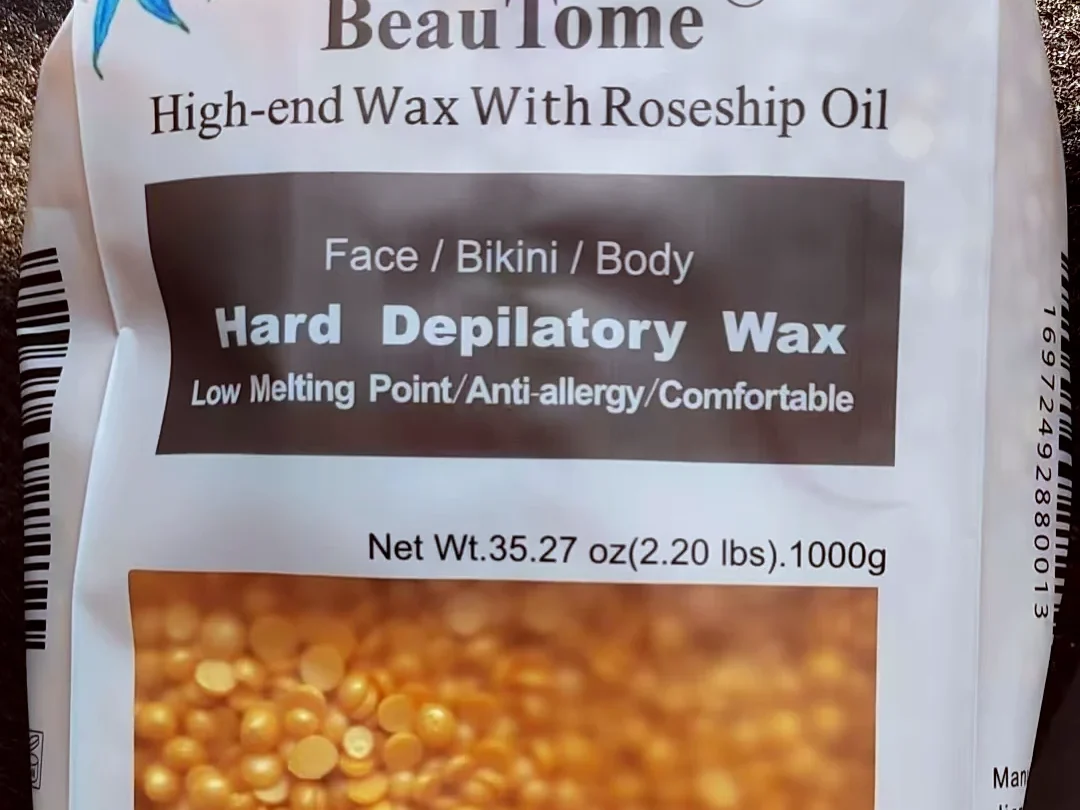
Retail first with the consumer-grade bag; the A1 flagship follows onto the shelf once the notification and reviews are in.
A twelve-month retail plan in one paragraph
Month one: pick the market with your best existing salon base, file the notification through the local holder, and list the 300 g consumer-grade bag unlabeled-and-repacked with your label. Months two to four: run the content — the melt-peel arc, before-and-afters, a creator or two — and watch the return rate more than the sales rank. Month five: if repurchase holds, add the 450 g soft wax can for strip users and start the halal file if Indonesia is next. Month seven and beyond: move the salon-line bags (A1 45–50 °C, A2) into a professional storefront on the same platform, where the 500 g and 1 kg formats belong. One platform, one hero, one label cycle at a time — that is the whole strategy, and the churn statistics above are what it is defending against.
Quick FAQ
Which wax should be the first retail SKU in Southeast Asia?
Can we start selling before the labels are printed?
What changes for Indonesia from October 2026?
Next step
Tell us which market you are listing into first, which platform, and whether the salon line already exists on the ground, and we will put together the hero-SKU pack: 300 g consumer-grade film wax, unlabeled transparent bags at low MOQ, the ingredient file for your notification holder, and the label-field checklist per market. For a quotation, contact Miro Wu, Dedicated Account Manager — email miro.wu@beautome.com or WhatsApp +86 188 1393 3019. The full wax range sits on the wax formulas product page, and more market notes on the BeauTome blog.